Loneliness in a Relationship: Why Are You Feeling Alone Next to Someone?
Discover why physical presence does not always guarantee emotional intimacy, and learn what to do when loneliness in a relationship leaves you feeling alone next to someone you love.

The scene unfolds in thousands of homes every night. Marina and Diego sit on the same couch. The light from the television illuminates their faces, but their true attention is fixed on their phone screens. Her shoulder almost touches his arm. Physically, there are only inches between them. Emotionally, an icy ocean seems to separate them. Marina turns off her screen, takes a deep breath, looks at her husband, and feels a tight sensation in her chest that she cannot explain. She is accompanied, living with the man she chose to love seven years ago, yet she has never felt so alone in her entire life.
This is one of the quietest and hardest pains a person can face. When we are single and living alone, solitude has a clear logic, an understandable math. But loneliness in a relationship, feeling alone next to someone, carries the heavy weight of a paradox. It comes with guilt, doubt, and a constant feeling of inadequacy. You wonder if you are asking for too much, if this is just what love becomes over time, or if something fundamental broke without either of you noticing.
How do two people who once shared secrets until dawn turn, years later, into mere roommates managing bills, groceries, and household chores? The truth is that losing a connection rarely happens in a dramatic moment. It occurs in small daily silences, brief answers, averted glances, and the false belief that physical proximity is enough to keep a bond alive.
The anatomy of feeling alone together: when physical presence is not enough
Loneliness within a relationship does not mean an absence of people, but an absence of meaning. We are deeply social creatures, and in our most intimate relationships, we seek a mirror. We want someone who truly sees us, validates our emotions, and offers a safe harbor. When you try to express a concern and receive only a distracted nod, your brain registers it as rejection.
For Marina, the pain began when she realized she had stopped sharing the important details of her day. Months ago, she was praised for a project at work. Excited when she got home, she found Diego exhausted and consumed by his own problem. His response was just a quiet murmur, without ever looking up from what he was doing. That small emotional disconnect, repeated dozens of times over the months, built a wall. Loneliness sets in right in that empty space between what you need to share and what the other person is ready to receive.
Feeling alone next to someone means noticing that your inner world (your joys, fears, and anxieties) no longer has space in the life of the person sitting right beside you. It is the painful realization that even though you share the same bed, you inhabit entirely different universes. Learning how to improve relationships requires, first of all, acknowledging that this emotional distance is real and must be named, without guilt, but with responsibility.
The quiet signs that emotional connection has faded
We often ignore the symptoms of disconnection because the relationship seems fine on the surface. You do not fight all the time, there are no obvious major crises, and the daily routine flows smoothly. However, a peace built on avoidance is only a fragile truce. A healthy relationship is not one without conflicts, but one where there is active interest in each other's lives.
The first sign of loneliness in a relationship is a transactional dynamic. Communication cools down and turns into pure logistics. Conversations revolve around who will walk the dog, whether the electricity bill was paid, or what is for dinner. Questions like "what made you smile today?" or "what has been weighing on your mind this week?" completely disappear. Marina realized that she and Diego were excellent business partners in a venture called "Our Home," but terrible partners in life.
Another clear sign is the feeling of walking on eggshells. When emotional intimacy fades, any attempt to talk about feelings feels risky. You choose silence over starting a conversation that might spark impatience or misunderstanding. On top of that, there is the tragedy of unshared good news. When something positive or funny happens during your day and the first person you want to tell is no longer your partner (but a friend, a family member, or no one at all), the primary bond of trust has weakened.
The weight of routine and the illusion of the digital age in relationships
We cannot talk about feeling alone next to someone without addressing the world we live in today. The exhaustion of modern life and the strain of recent years have left behind a trail of mental fatigue. We reach the end of the day drained, and the easiest escape is quick comfort. That is where the digital trap comes in: promising rest, but delivering only distraction.
Screens offer a tempting refuge when a relationship requires effort. For Diego, his phone and work became perfect hiding spots for stress he did not know how to express. Without realizing it, he used digital distraction as a barrier between himself and Marina. The presence of a device between two people completely changes the quality of being present. You are physically there, but your focus is auctioned off to algorithms and external demands.
This illusion of digital connection drains the energy needed to build meaningful connections in the real world. We get used to instant stimuli and lose patience for the slow, complex rhythm that true human dialogue requires. Rebuilding the bridge with someone you love means creating pockets of time where technology cannot enter, where boredom is allowed, and where the only two minds present are yours and the person beside you.
How communication in relationships loses its depth
The loss of deep communication is rarely intentional. Nobody wakes up in the morning and decides to ignore the person they love. Instead, it is a slow process of erosion. In the beginning, curiosity about the other person is endless. Over time, we assume we already know everything about our partner. Diego thought he knew Marina so well that he no longer needed to ask questions. This false familiarity is the enemy of love.
When we assume we already know what the other person thinks, we stop exploring. Empathy in relationships depends heavily on curiosity. If you stop exploring your partner's world, you miss the updates on who they are becoming. We all change a little bit every year, with every experience and every challenge we overcome.
To break this cycle, communication must move beyond a simple exchange of information and become a path of discovery once again. This takes conscious effort. It means listening without planning your response in your head, making eye contact during meals, and asking open questions that cannot be answered with a simple "yes" or "no." The simple act of asking "how are you feeling about this?" can begin to melt the ice that has formed between a couple.
The role of your own vulnerability in loneliness
There is a hard truth about loneliness in a relationship: often, we help build the very walls that keep us trapped. Feeling neglected hurts deeply, and our natural defense mechanism is to pull away. When Marina felt ignored by Diego time after time, wounded pride and fear of rejection caused her to close off.
Instead of saying "I feel very alone when you spend the entire evening on your phone," she began acting distant. She started going to bed earlier, stopped trying to start conversations, and adopted a posture of defensive independence ("I don't need him anyway"). The problem with this behavior is that it creates a vicious cycle. Diego, sensing Marina's coldness, pulled back even further, assuming she wanted space.
Reflect on your own role in this dynamic. Are you hiding your true needs for fear of appearing needy? Have you replaced affectionate requests for attention with harsh complaints or sarcasm? Vulnerability is the only true antidote to loneliness. Saying "I miss us" requires great courage, because you open up and show where you are hurt. But without that openness, it is impossible for your partner to understand the depth of the distance between you.
How to improve relationships and rebuild intimate connections
Moving away from this state of isolation requires an active decision and, usually, small daily steps. Do not try to resolve years of distance in a single tense conversation at midnight. Heavy discussions about "the state of our relationship" often spark defensiveness. Instead, focus on creating micro-moments of connection: safe opportunities for closeness to return gradually.
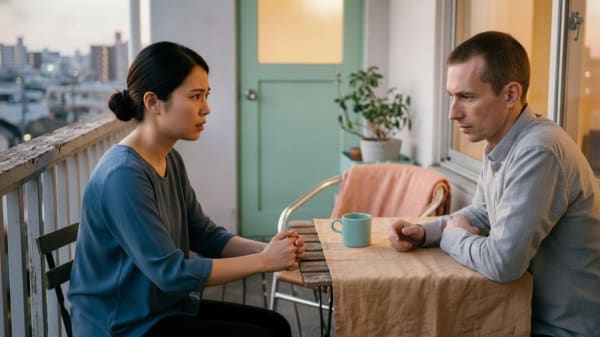
The first step is taking responsibility for your emotions and making clear invitations. If you want company, ask for it directly and positively. Instead of complaining that they never did anything together, Marina tried saying: "Diego, I would love to have coffee with just you tomorrow morning on the porch, just 15 minutes before we start the day. Can we do that?" By removing the tone of blame and making a clear request, she gave him a chance to step up.
Rebuilding a bond also involves non-sexual physical touch. A hug that lasts a little longer, a touch on the shoulder when walking past the kitchen, sitting so your feet touch. The body needs to feel that there is safety and affection there. These small rituals act like deposits in an emotional bank account, slowly pulling it out of the red so it has enough balance to support deeper conversations in the future.
What to do when empathy in relationships seems to have disappeared
There are moments when resentment is so strong that showing empathy toward the person making you feel lonely feels impossible. How do you feel empathy for someone who ignores you? The answer lies in shifting your perspective: most of the time, your partner's distance is not about a lack of love for you, but about their inability to cope with their own burdens.
When Diego withdrew into routine and silence, he was not trying to punish Marina. He was numb from his own life, lacking tools to process his exhaustion and missing the emotional skills to say "I feel overwhelmed." Once she understood this, Marina replaced anger with compassion. She realized that Diego was also lonely inside his own shell of stress.
To restore empathy, you must learn to communicate from your own feelings without attacking your partner's character. Replace "you never pay attention to me" with "I have been feeling very alone lately and I would really love your help for us to reconnect." When you attack, the other person raises a shield. When you reveal sadness, the other person, if love and respect remain, feels a natural urge to offer comfort.
Reclaiming "us": cultivating a healthy, present relationship
A healthy relationship is not a project you finish, put on a shelf, and move on from. It is a garden that needs daily watering. To keep meaningful connections alive, a couple must accept that the relationship they had in the beginning no longer exists. And that is okay. You have changed and matured. The goal is not to return to the past, but to build a new way of loving based on who you are today.
After acknowledging the gap between them, Marina and Diego needed patience. The awkward silences of their first intentional moments gradually gave way to quiet conversations, and later to easy laughs they had not shared in a long time. They created a golden rule: for the first twenty minutes after arriving home, neither of them touches a phone. That small window of undivided attention transformed the mood in their home.
To truly feel supported is to know that even on hard days, there is a safe space in your partner's eyes. It is having the certainty that your pain matters, your stories have an audience, and your silences are respected, not out of abandonment, but out of mutual understanding. The journey out of loneliness in a relationship takes work, but finding the person you love through the fog of daily life is one of the greatest rewards you can experience.
If you feel like you are carrying this pain in silence and do not know where to start untangling your feelings, know that you do not have to do it alone. Understanding your relationship patterns and how you respond to them is the first step. Continue your journey of self-discovery with Confidey: a private place to understand and care for the relationships that matter, including the one with yourself. Through our method, in three simple beats (understand your patterns, see both sides, and grow at your own pace), you can find clarity. It is not about placing blame, but about guiding conversations that matter and connections that transform. You deserve to feel truly supported in your own life.
Research Foundation
The insights presented in this article are based on the Confidey Methodology, which integrates established knowledge from relationship science and behavioral psychology. The concepts explored regarding emotional distance, the importance of vulnerability, and rebuilding bonds are deeply rooted in adult attachment theory, which explains how we seek security in our primary affection figures. Additionally, the suggested practices for restoring dialogue build upon the principles of nonviolent communication and emotional science, emphasizing the clear expression of feelings and needs as the most effective path to replace distance with active listening and mutual empathy. To explore the scientific foundation behind our method, visit the Confidey research page or read more on our blog.
Frequently asked questions
Is it normal to feel lonely while married or in a relationship?+
Yes, it is very common. Loneliness in a relationship usually does not mean a lack of love, but rather a decline in intimacy and deep communication over time. It serves as a sign that your emotional connection needs care and attention.
How can I tell my partner I feel alone without starting a fight?+
The key is to speak about your own feelings rather than focusing on your partner's mistakes. Use statements like 'I have been feeling a bit lonely lately and I miss our conversations,' avoiding accusatory words like 'you never pay attention to me.'
Can technology be the cause of our emotional distance?+
Excessive screen time is a major factor in modern disconnection, as it acts as an escape from stress and prevents moments of full presence. Setting up phone-free zones or times at home helps bring real presence back into your relationship.
What should I do if my partner does not want to talk about our problems?+
When your partner pulls back, it is often because they feel pressured or overwhelmed. Try creating small, light moments of closeness (having coffee together, watching something without phones) before attempting a deep conversation. Connection begins with emotional safety.
Keep reading


Get more content like this
Join our newsletter. No spam.
Comments
Be the first to comment.
Continue your journey
Transform your relationships with Confidey